Scenario builder
Bio loop intervention
Chiller bypassReadyPolicy safe
Algae density1.8xAbsorbing heat
GPU east-3.2CLoad shifted
Grid carbon42gSchedule open
Netra coordinates racks, bio-cooling loops, grid signals, and workload priority into one autonomous control layer for sustainable datacenter growth.
Facility OS
PUE target
1.08
adaptive facility mode
Water loop reuse
94%
closed algae thermal cycle
Compute shifted
38MW
carbon-aware scheduling
North hall
StableBio loop
AbsorbingGPU bay
Rebalanced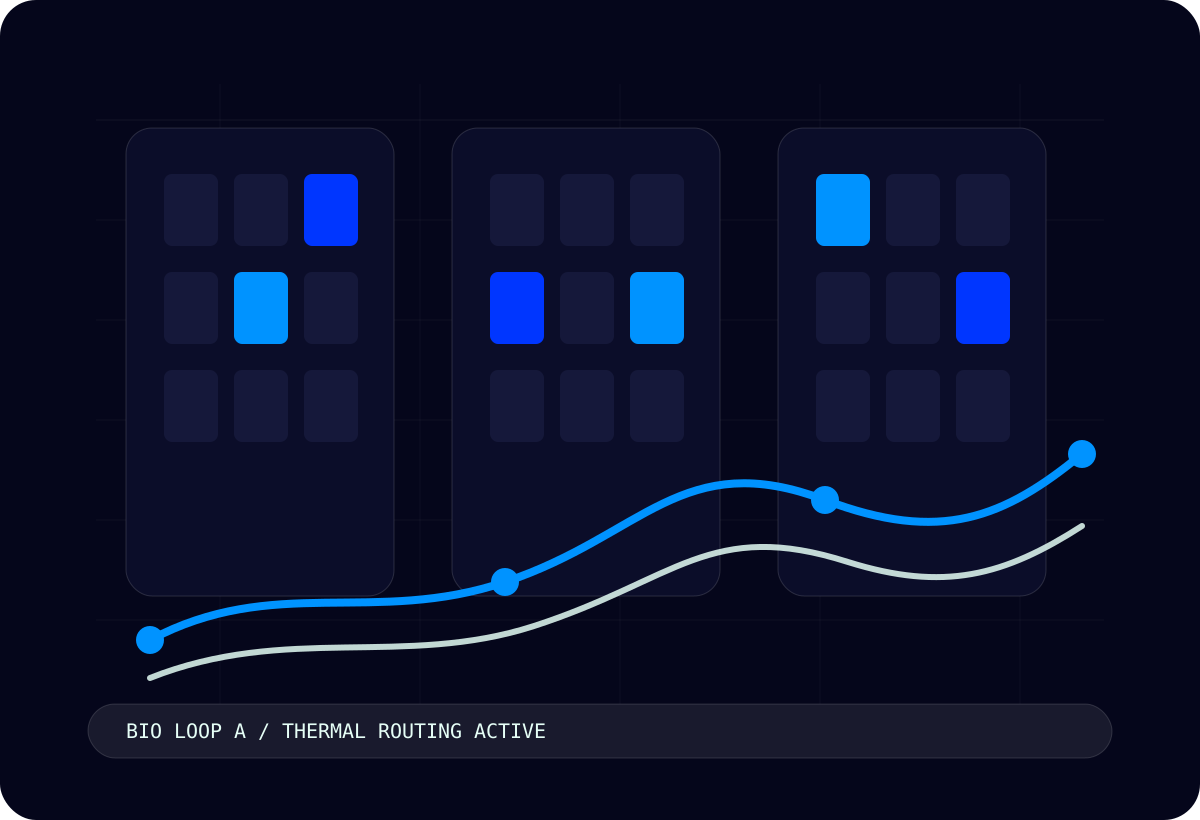
Netra turns facility telemetry into simulated next actions, so operators can compare thermal, water, power, and SLA impact before approval.
Scenario builder
18 min
before rack pressure
6.4MWh
reserved for peak shave
99.2%
clean telemetry mesh
Operator preview
Every recommendation exposes the expected heat, carbon, latency, and risk impact before it reaches production.
Operator note
Moves burstable inference queues while keeping latency under 14ms.
Thermal impact
-3.2C
Carbon delta
-18%
Risk level
Low
Netra maps compute heat against bio-reactive cooling capacity, then shifts workloads before waste heat becomes facility drag.
Inference, training, and storage jobs are sequenced around grid intensity, reserve capacity, and latency commitments.
Every automated change is versioned with operator approval paths, policy locks, and exportable audit trails.
Netra keeps every facility decision compact, inspectable, and bound to operator policy before autonomous changes reach production systems.
Simulation queue
Netra treats algae reactors, membrane exchangers, and traditional chillers as one controllable thermal mesh, balancing resilience with measurable carbon reduction.
Moves non-urgent jobs into lower heat and cleaner grid windows.
Tracks thermal throttling risk across GPU, CPU, and storage layers.
Keeps autonomy inside reliability, compliance, and energy contracts.
Coordinates battery, grid, and renewable contracts against demand.
Field notes from facility leaders, compute architects, and reliability teams operating sustainable infrastructure.
Netra gave our facilities and compute teams the same source of truth. We can now shift workloads before thermal pressure becomes an uptime conversation.
The bio loop telemetry is practical. Operators see rack heat, membrane status, and policy limits in one place instead of chasing three consoles.
Autonomy only works when rollback is clear. Netra shows every assumption before applying a facility change, which made adoption much easier.
We finally connect carbon signals to actual scheduling decisions. It turns sustainability from a quarterly report into an operating control.
The workload placement model understands latency and silicon pressure. It reduces heat without treating every training job like a batch queue.
The interface feels designed for repeat operations. Dense, calm, readable, and precise enough for a control room review.
Every recommendation shows its thermal assumption, carbon signal, workload impact, and rollback path before Netra touches production infrastructure.